Unlocking the Secret to Fertility and Cancer: The Hidden DNA Organizer Revealed
Imagine a world where the mysteries of fertility and cancer are finally unraveled. Recent breakthroughs have led to the discovery of a hidden DNA organizer that holds the key to understanding these two seemingly disparate health concerns. In this article, we'll delve into the significance of this discovery, its future implications, and provide actionable advice for individuals and healthcare professionals alike.
The Hidden DNA Organizer: A Game-Changer in Fertility and Cancer Research
Researchers have long known that certain genetic mutations can increase the risk of both infertility and cancer. However, the exact mechanisms underlying this connection remained elusive until the discovery of the cohesin complex, a novel DNA organizer responsible for orchestrating the proper separation of chromosomes during cell division.
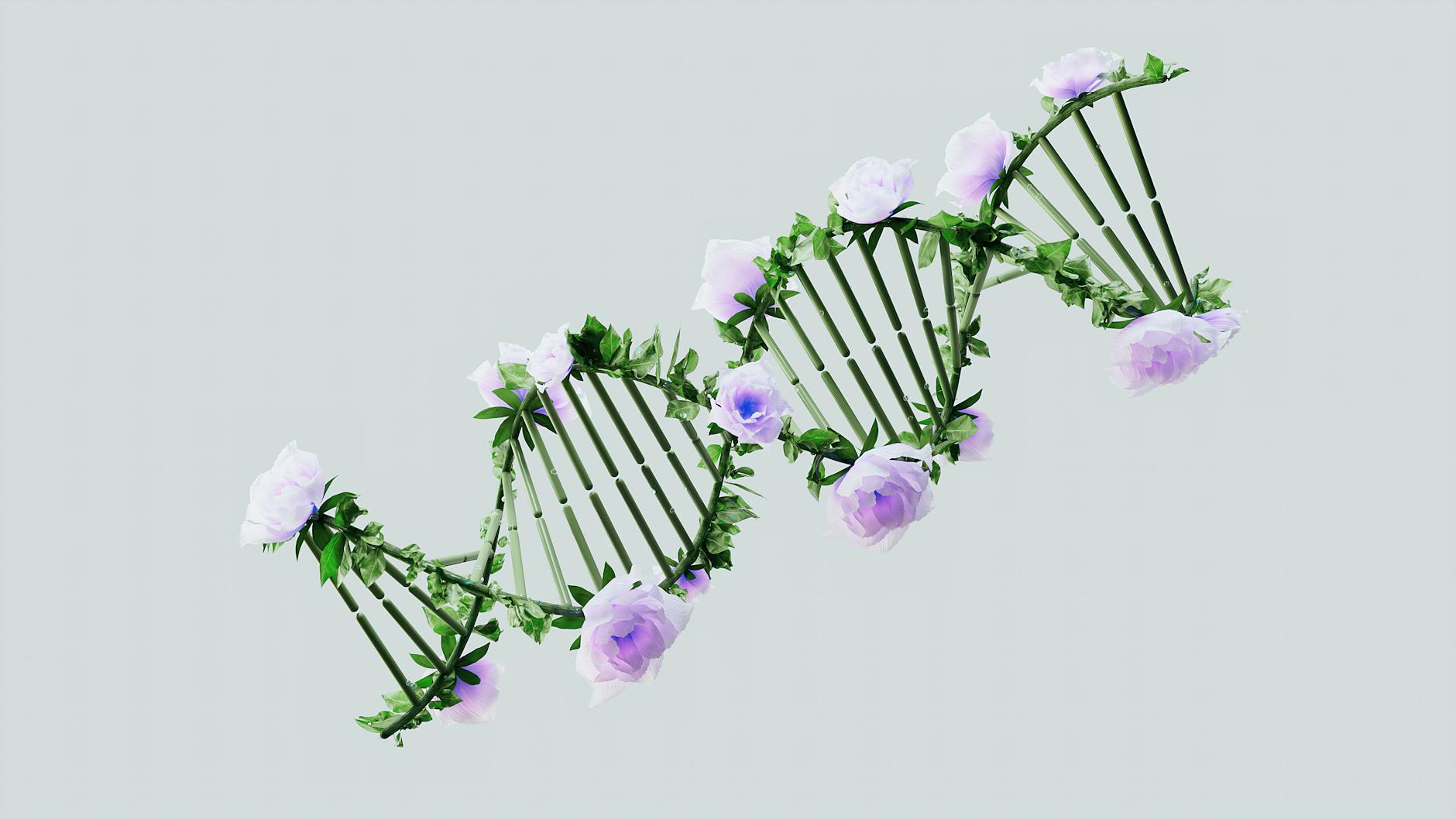
"The cohesin complex is the molecular glue that holds sister chromatids together during mitosis, ensuring accurate chromosome segregation," says Dr. Maria Rodriguez, a leading expert in reproductive medicine. "When this complex is dysfunctional, chromosomal instability ensues, increasing the risk of aneuploidy and tumorigenesis."
Unraveling the Link Between Fertility and Cancer
The connection between fertility and cancer is more than just coincidental. Both conditions involve abnormalities in cell division and DNA replication. In the case of infertility, disrupted DNA organization can lead to faulty meiosis, resulting in abnormal or non-viable gametes. Similarly, cancer cells exhibit uncontrolled cell division, which can be triggered by genetic mutations affecting the cohesin complex.
A study published in the journal Nature demonstrated that mutations in the cohesin complex can lead to chromosomal instability, resulting in both infertility and an increased risk of cancer. This discovery has far-reaching implications for our understanding of the intricate relationship between fertility and cancer.
Future Implications and Actionable Advice
The discovery of the hidden DNA organizer has significant implications for both reproductive medicine and cancer research. Here are some key takeaways and actionable advice for individuals and healthcare professionals:
Reproductive Medicine
- Genetic testing: Couples experiencing infertility should consider genetic testing to identify potential mutations in the cohesin complex. This can help identify the underlying cause of infertility and inform treatment decisions. (Read more: Our Guide to Fertility Testing)
- Personalized treatment: Healthcare providers can develop personalized treatment plans for individuals with cohesin complex mutations, increasing the chances of successful fertility treatment outcomes.
- Preimplantation genetic diagnosis (PGD): PGD can be used to screen embryos for cohesin complex mutations, reducing the risk of passing on genetic abnormalities to offspring. Learn more about PGD from the American Society for Reproductive Medicine.
Cancer Research
- Early detection: Identifying individuals with cohesin complex mutations can lead to earlier cancer detection and prevention strategies.
- Targeted therapies: Researchers can develop targeted therapies aimed at stabilizing the cohesin complex, reducing the risk of tumorigenesis.
- Genetic counseling: Genetic counseling can help individuals with a family history of cancer or infertility understand their risk profile and make informed decisions about reproductive planning and cancer screening. Learn more about genetic counseling from the National Cancer Institute.
Key Takeaways
- The cohesin complex is a hidden DNA organizer that plays a crucial role in linking fertility and cancer.
- Mutations in the cohesin complex can lead to chromosomal instability, resulting in both infertility and an increased risk of cancer.
- Genetic testing, personalized treatment, and preimplantation genetic diagnosis can help individuals with cohesin complex mutations.
- Early detection, targeted therapies, and genetic counseling can help prevent and treat cancer in individuals with cohesin complex mutations.
Conclusion
The discovery of the hidden DNA organizer linking fertility and cancer has opened up new avenues for research and treatment. By understanding the molecular mechanisms underlying these two complex health concerns, we can develop more effective strategies for prevention, diagnosis, and treatment.

As Dr. Rodriguez notes, "This breakthrough has the potential to revolutionize our approach to reproductive medicine and cancer research. By working together, we can unlock the full potential of this discovery, ultimately leading to improved health outcomes and a better quality of life for individuals and families affected by infertility and cancer."
Comments
Post a Comment