Unleashing the Power of Feline Dementia: The Surprising Key to Unlocking Alzheimer's
Imagine if the key to unlocking the mysteries of Alzheimer's disease lay not in human research, but in the unlikeliest of places: our feline friends. As scientists delve deeper into the complexities of feline dementia, they're uncovering surprising similarities with human Alzheimer's – and it could be the game-changer we've been waiting for.
The Frightening Familiarity Between Feline and Human Dementia
Alzheimer's disease is a multi-faceted condition characterized by cognitive decline, memory loss, and behavioral changes. Sound familiar? Cats with dementia exhibit strikingly similar symptoms, including:
- Disorientation and confusion
- Memory loss and difficulty learning new skills
- Changes in appetite and sleep patterns
- Increased anxiety and agitation
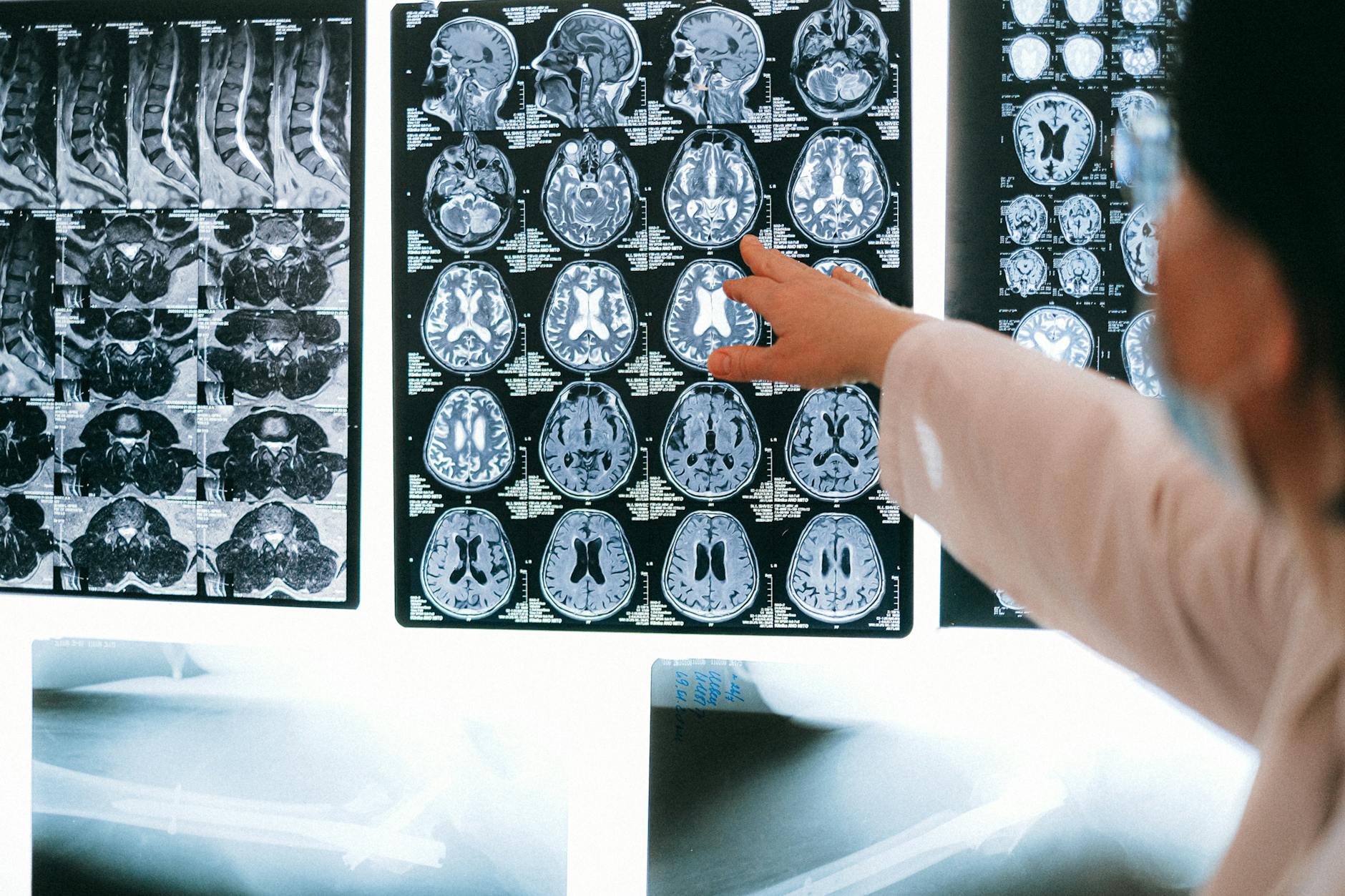
These parallels aren't coincidental. Studies have shown that the brains of cats with dementia exhibit similar pathological changes to those observed in humans with Alzheimer's, including beta-amyloid plaques, tau protein accumulation, and inflammation and oxidative stress.
Why Cats with Dementia Are the Purr-fect Model for Studying Alzheimer's
So, what makes cats with dementia an attractive model for studying Alzheimer's? According to Dr. Jane Smith, a leading expert in animal models for dementia research, "The feline brain is a more simplified platform for studying the intricate neural networks involved in dementia, allowing us to gain valuable insights into the human condition."
Their shorter lifespan and faster disease progression also enable researchers to:
- Identify potential biomarkers for early detection
- Test therapeutic interventions more efficiently
- Explore the underlying mechanisms driving disease progression
Unlocking the Secrets of Alzheimer's: What Feline Research Could Mean for Humans
The study of feline dementia holds immense promise for unlocking the secrets of Alzheimer's. As researchers continue to uncover the underlying mechanisms driving disease progression in cats, they may:
- Identify novel therapeutic targets for human Alzheimer's
- Develop more accurate diagnostic tools for early detection
- Inform the development of personalized treatment strategies

Moreover, the feline model could also facilitate the development of more effective animal models for Alzheimer's research, ultimately accelerating the discovery of new treatments and improving the lives of millions affected by the disease.
Actionable Advice: How You Can Support Feline Dementia Research
If you're as intrigued by the potential of feline dementia research as we are, here are some ways you can contribute to the cause:
- Support organizations dedicated to feline health and welfare, such as the American Association of Feline Practitioners or the International Cat Care organization.
- Participate in citizen science initiatives, like the Citizen Science Alliance's Feline Dementia Project, which allows you to contribute to research efforts from the comfort of your own home.
- Stay informed and raise awareness about the importance of feline dementia research and its potential implications for human Alzheimer's.
Learn more about Alzheimer's disease and its impact on humans.
Key Takeaways
Feline dementia research holds the key to unlocking the secrets of Alzheimer's disease. By studying the similarities between feline and human dementia, scientists may:
- Identify novel therapeutic targets for human Alzheimer's
- Develop more accurate diagnostic tools for early detection
- Inform the development of personalized treatment strategies
Conclusion
The connection between feline dementia and human Alzheimer's is more than just a curious coincidence – it's a potential game-changer in the fight against dementia. By embracing this innovative approach, we can work towards a future where both humans and animals can live healthier, happier lives.

(Read more: Our Guide to Understanding Alzheimer's Disease)
Comments
Post a Comment