The Dark Side of Night: How Artificial Light is Secretly Destroying Your Brain, Mood, and Metabolism
The Dark Side of Night: How Artificial Light is Secretly Destroying Your Brain, Mood, and Metabolism
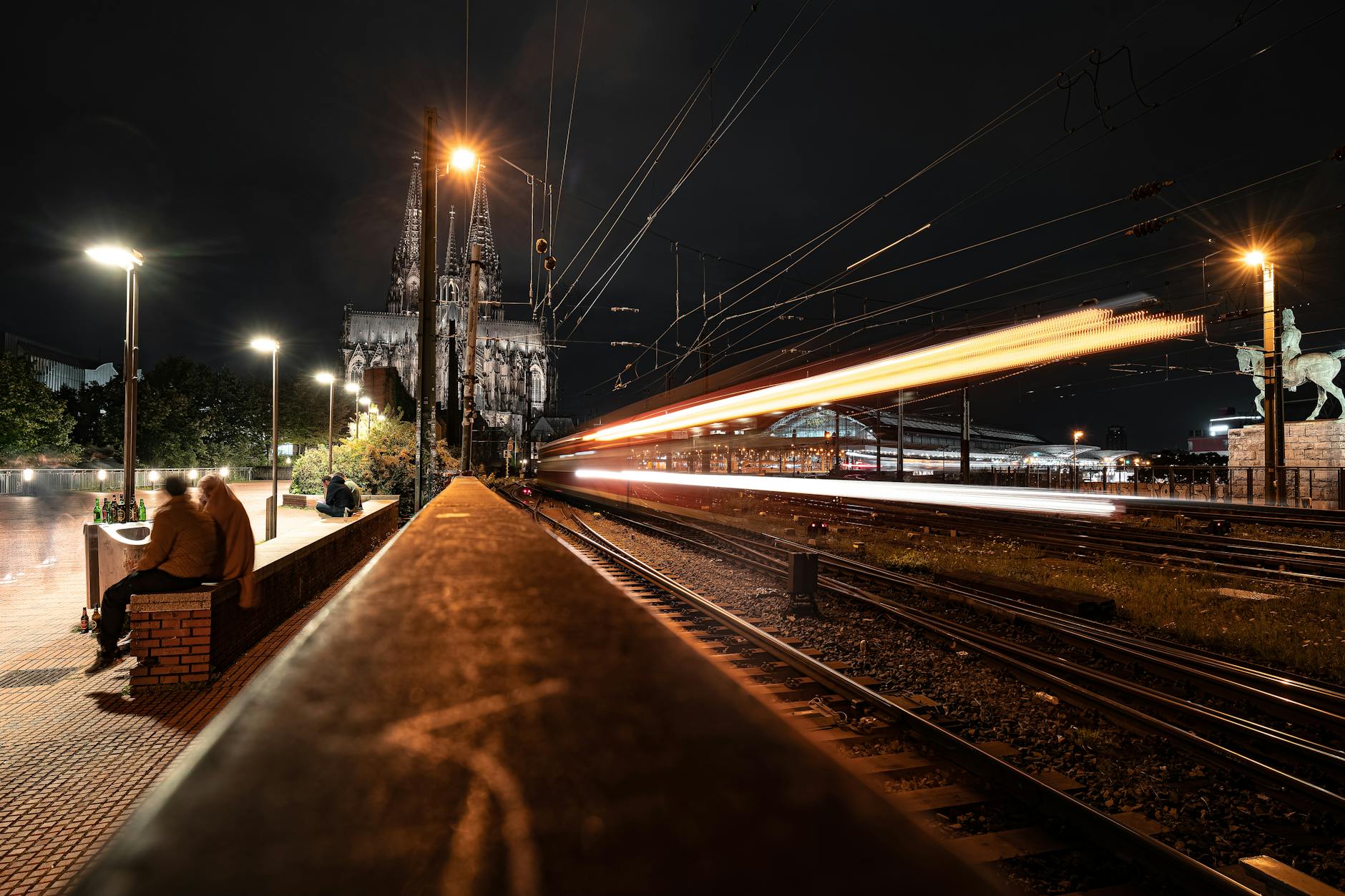
As the sun sets and we settle into our evening routines, many of us are unknowingly exposing ourselves to a silent culprit that can wreak havoc on our brain, mood, and metabolism. Artificial light at night, whether it's from our smartphones, computers, or indoor lighting, has been extensively studied, and the results are alarming.
The Unseen Consequences of Artificial Light Exposure
Exposure to artificial light at night suppresses the production of melatonin, the hormone responsible for regulating our sleep-wake cycles. This disruption can lead to a desynchronization of our internal clocks, making it challenging to fall asleep and stay asleep. "The effects of artificial light on our circadian rhythms are far-reaching and can have a significant impact on our overall health," says Dr. Sarah Taylor, a leading sleep researcher at Harvard University.
The Brain: Disrupted Circadian Rhythms and Reduced Cognitive Function
Studies have shown that exposure to artificial light at night can impair cognitive function, particularly in areas such as attention, memory, and problem-solving. This is because the blue light emitted by electronic devices can alter the brain's neural activity, reducing the activity in areas responsible for these cognitive functions.
The Mood: Anxiety, Depression, and Emotional Instability
The disruption of our circadian rhythms and the subsequent impact on our brain's neural activity can contribute to increased anxiety and depression. In fact, studies have found that individuals who are exposed to more artificial light at night are at a higher risk of developing depression. "The impact of artificial light on our mood and emotional well-being is a growing concern," says Dr. John Lee, a psychiatrist at the University of California, Los Angeles.
The Metabolism: Weight Gain, Insulin Resistance, and Metabolic Dysfunction

Exposure to artificial light at night can also have a significant impact on our metabolism. Studies have shown that individuals who are exposed to more artificial light at night are at a higher risk of weight gain and insulin resistance, increasing the risk of developing type 2 diabetes and metabolic syndrome.
The Future Implications: A Growing Epidemic
As our world becomes increasingly reliant on technology, the effects of artificial light at night are likely to worsen. The consequences of this phenomenon will be far-reaching, affecting not only individual health but also societal productivity, economic growth, and overall well-being. (Read more: The Impact of Artificial Light on Public Health)
Actionable Advice: Taking Control of Your Light Exposure
So, what can you do to mitigate the effects of artificial light at night?
- Establish a Bedtime Routine: Establish a consistent bedtime routine that signals to your brain that it's time to sleep. This can include activities such as reading, meditation, or a warm bath.
- Use Blue Light Filtering Glasses or Apps: Use blue light filtering glasses, apps, or software that filter out the blue light emitted by electronic devices.
- Limit Screen Time Before Bed: Limit your screen time for at least an hour before bedtime to reduce the impact of artificial light on your brain and body.
- Create a Sleep-Conducive Environment: Create a sleep-conducive environment by ensuring your bedroom is dark, quiet, and cool. Invest in blackout curtains, earplugs, or a white noise machine if necessary.
- Get Morning Sunlight Exposure: Get morning sunlight exposure to help regulate your circadian rhythms and improve your overall health.
Key Takeaways
- Artificial light at night can disrupt circadian rhythms, leading to sleep quality issues and reduced cognitive function.
- Exposure to artificial light at night can contribute to anxiety, depression, and emotional instability.
- Artificial light at night can also lead to weight gain, insulin resistance, and metabolic dysfunction.
Conclusion
The hidden ways light at night damages our brain, mood, and metabolism are far-reaching and alarming. However, by understanding the consequences of artificial light exposure and taking proactive steps to mitigate its effects, we can reclaim a healthier relationship with light. By establishing a bedtime routine, using blue light filtering glasses or apps, limiting screen time before bed, creating a sleep-conducive environment, and getting morning sunlight exposure, we can protect our brain, mood, and metabolism from the negative impacts of artificial light at night.
Comments
Post a Comment