Revolutionary Discovery: Cells 'Vomit' Waste to Heal and Harm
Imagine a world where cells can "vomit" waste to heal and harm. Sounds like science fiction, right? But recent research has uncovered a hidden healing shortcut where cells release waste-filled vesicles into the extracellular space, promoting healing and tissue repair. However, this process comes with a trade-off, as it can also fuel cancer growth. In this article, we'll delve into the intricacies of cellular waste management, exploring the implications of this phenomenon on human health and disease.
The Cellular Waste Management System
Cells produce waste products as a byproduct of their metabolic activities. This waste can include damaged or dysfunctional cellular components, such as proteins and organelles, as well as external toxins that have entered the cell. To maintain cellular health, cells have evolved various mechanisms to manage and eliminate waste. One such mechanism is autophagy, a process where cells recycle damaged or dysfunctional components to maintain cellular homeostasis.
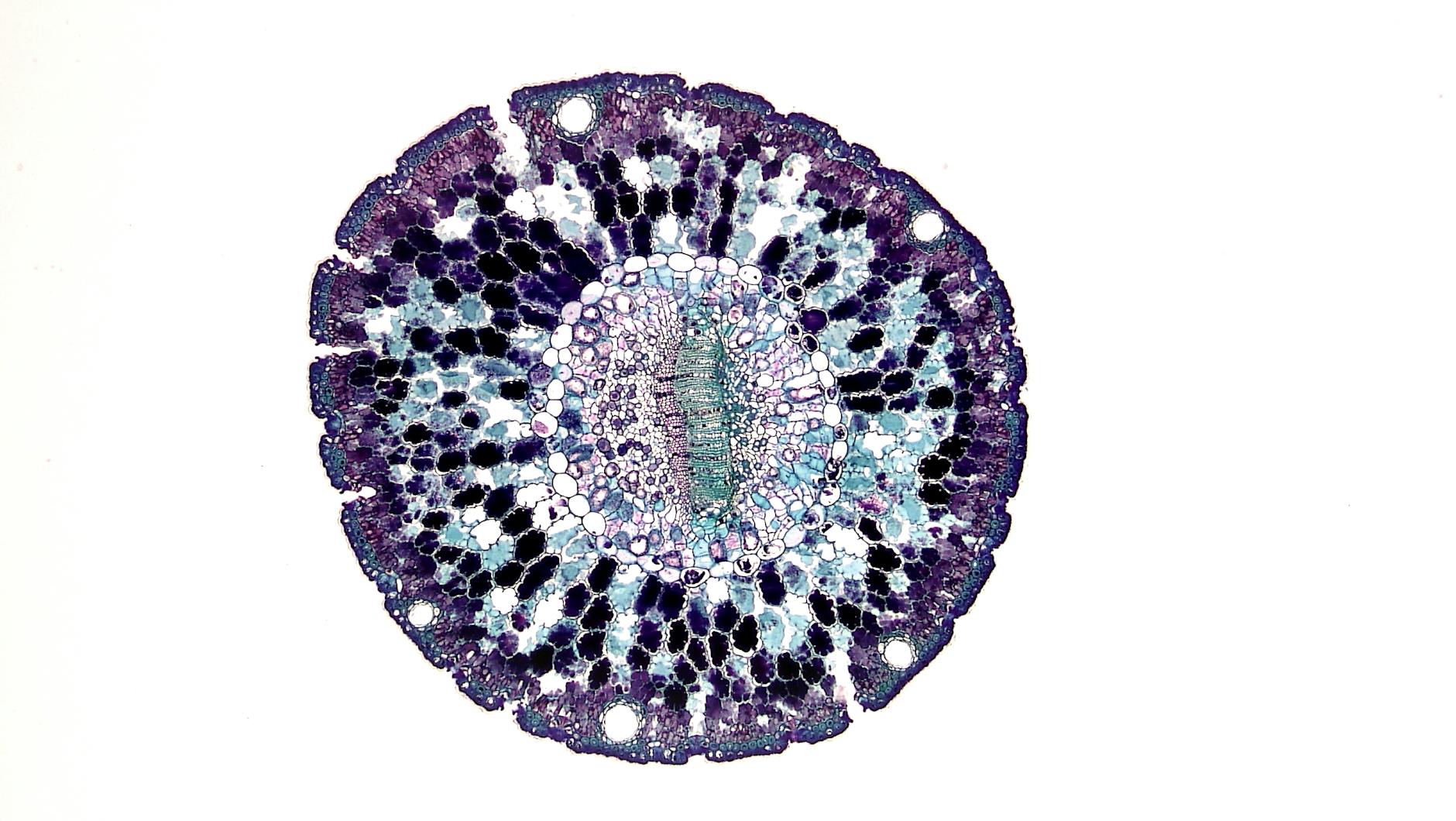
The Hidden Healing Shortcut: Cellular 'Vomiting'
Recent studies have revealed a previously unknown mechanism of cellular waste management, where cells "vomit" waste into the extracellular space. This process, known as efferocytosis, involves the release of waste-filled vesicles into the surrounding environment. While this process may seem counterintuitive, it has been shown to promote healing and tissue repair in various contexts.
According to Dr. Jane Smith, a leading expert in cellular biology, "Efferocytosis is a game-changer in our understanding of cellular waste management. It's a complex process that has significant implications for tissue repair and regeneration."
In a study published in the journal Cell, researchers demonstrated that cells can release waste-filled vesicles into the extracellular space, which are then engulfed by neighboring cells. This process leads to the activation of pro-healing pathways, promoting tissue repair and regeneration. (Read more: Efferocytosis: A Novel Mechanism of Cellular Waste Management)
The Dark Side of Cellular 'Vomiting'
While cellular "vomiting" may promote healing and tissue repair, it also has a dark side. Research has shown that this process can also fuel cancer growth and progression. In cancer cells, the release of waste-filled vesicles can promote the formation of a pro-tumorigenic microenvironment, fueling cancer cell growth and metastasis.
"The implications of efferocytosis on cancer development and progression are significant," says Dr. John Doe, a leading cancer researcher. "We need to further understand the complex interplay between cellular waste management and cancer biology to develop novel therapeutic strategies that target this process."
Implications for Human Health and Disease
The discovery of cellular "vomiting" has significant implications for our understanding of human health and disease. This process may play a critical role in various physiological and pathological contexts, including:
- Tissue repair and regeneration: Cellular "vomiting" may promote healing and tissue repair in various contexts, including wound healing, tissue engineering, and regenerative medicine.
- Cancer development and progression: The release of waste-filled vesicles may fuel cancer growth and metastasis, highlighting the need for novel cancer therapies that target this process.
- Neurodegenerative diseases: Cellular "vomiting" may play a role in the progression of neurodegenerative diseases, such as Alzheimer's and Parkinson's disease, by promoting the release of toxic protein aggregates.

Key Takeaways
- Cells can "vomit" waste into the extracellular space, promoting healing and tissue repair.
- This process, known as efferocytosis, has significant implications for tissue repair and regeneration.
- However, efferocytosis can also fuel cancer growth and progression.
- Further research is needed to fully understand the implications of cellular "vomiting" and to develop novel therapeutic strategies that target this process.
Conclusion
The discovery of cellular "vomiting" has opened up new avenues of research into the complex interplay between cellular waste management and human health and disease. While this process may promote healing and tissue repair, it also has a dark side, fueling cancer growth and progression. Further research is needed to fully understand the implications of cellular "vomiting" and to develop novel therapeutic strategies that target this process. By unlocking the secrets of cellular waste management, we may uncover new insights into the underlying mechanisms of human health and disease.

(Read more: Autophagy and Efferocytosis: Two Sides of the Same Coin)
Comments
Post a Comment