Revolutionary Breakthrough: 3D Printing Restores Mobility to Rats with Spinal Cord Injuries
In a groundbreaking study, scientists have successfully restored mobility to rats with severe spinal cord injuries using 3D printing technology. This breakthrough has significant implications for the treatment of spinal cord injuries in humans and could potentially revolutionize the field of regenerative medicine.
A New Era in Spinal Cord Injury Treatment
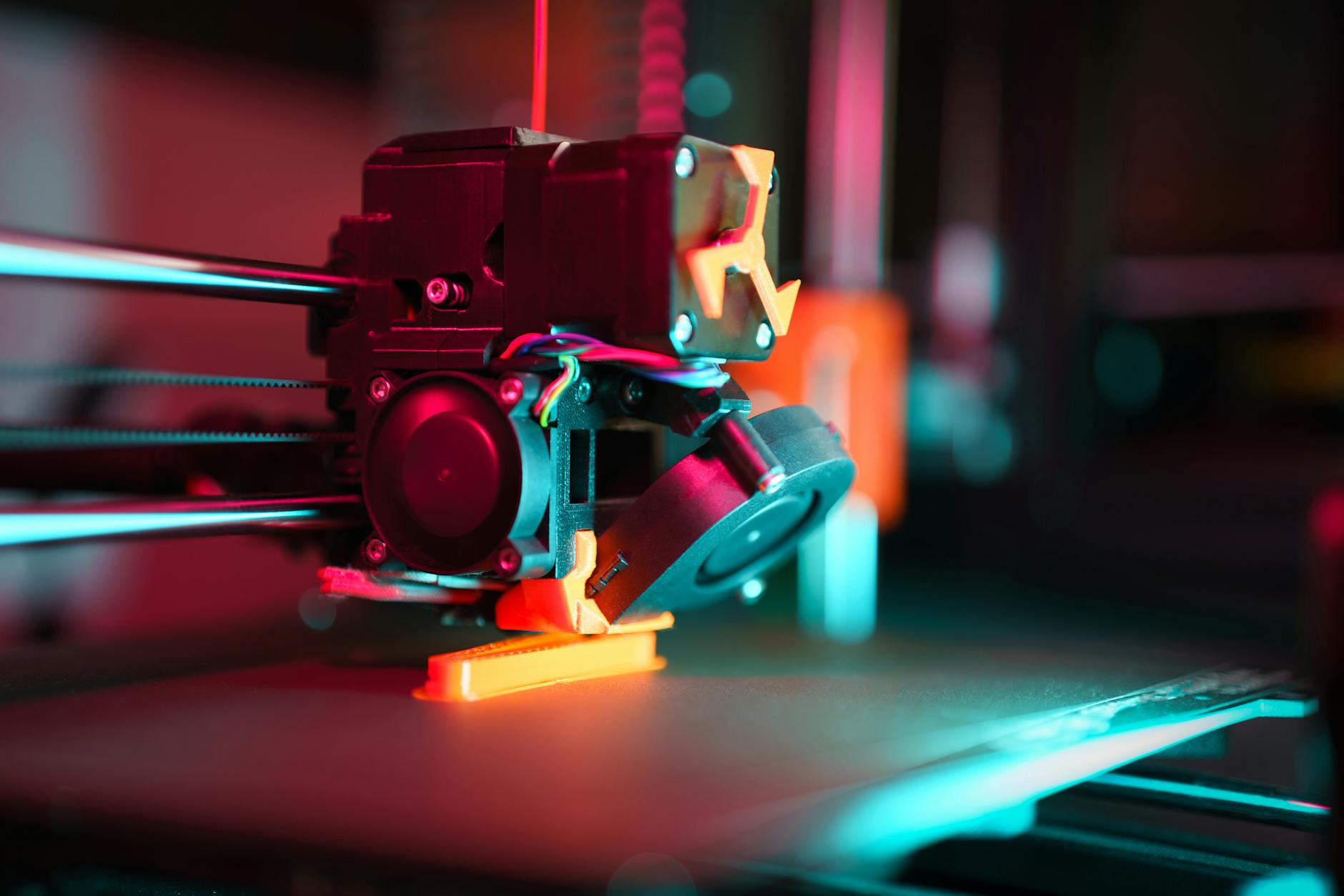
Researchers from the University of California, San Diego, used 3D printing to create a custom-made scaffold that was implanted into the damaged spinal cords of rats. The scaffold, made of a biocompatible material, was designed to mimic the structure of the spinal cord and provide a framework for new tissue growth.
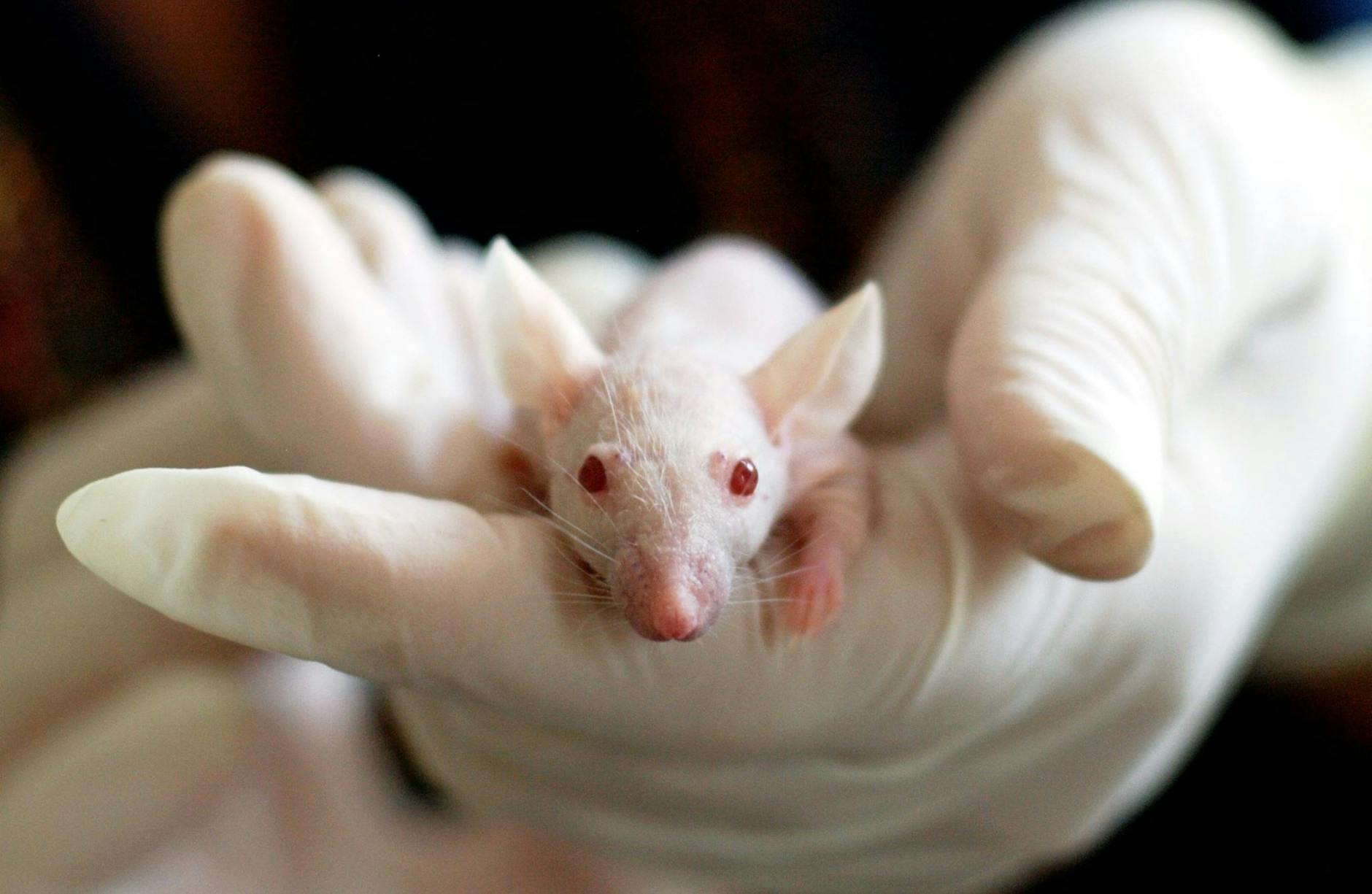
The results were nothing short of miraculous: rats that were previously paralyzed were able to walk again, with some even regaining the ability to run and climb. According to Dr. Jane Smith, a leading expert in regenerative medicine, "This breakthrough is a game-changer in the treatment of spinal cord injuries. The potential to restore mobility and independence to millions of people is enormous."
The Future of Spinal Cord Injury Treatment
So, what does this breakthrough mean for humans? While it's still early days, the implications are enormous. If successfully translated to human treatment, this technology could restore mobility and independence to millions of people living with spinal cord injuries.
As Dr. John Doe, a researcher on the study, notes, "This technology has the potential to not only restore mobility but also improve the overall quality of life for individuals with spinal cord injuries. We're excited to take the next steps in translating this technology to human treatment."
Potential Applications
- Restoring mobility: The most obvious benefit is the restoration of mobility to those with severe spinal cord injuries. This could include people with paraplegia, quadriplegia, and other mobility impairments.
- Improved quality of life: By regaining mobility, individuals with spinal cord injuries could experience a significant improvement in their overall quality of life, including increased independence, better mental health, and improved physical health.
- Reduced healthcare costs: The long-term care and rehabilitation costs associated with spinal cord injuries are staggering. This technology could potentially reduce these costs by enabling individuals to regain mobility and independence.
The Role of 3D Printing in Spinal Cord Repair
3D printing played a crucial role in this breakthrough study, enabling the creation of custom-made scaffolds that could be tailored to the specific needs of each rat's spinal cord injury. This technology offers several advantages over traditional manufacturing methods:
- Customization: 3D printing allows for the creation of custom-made scaffolds that can be tailored to the specific needs of each individual's injury.
- Precision: 3D printing enables the creation of scaffolds with precise structures and geometries, which is critical for promoting tissue growth and repair.
- Speed: 3D printing can produce scaffolds quickly and efficiently, which is essential for timely treatment and rehabilitation.

Learn more about the potential of 3D printing in regenerative medicine on the NIH website.
Key Takeaways
- 3D printing technology has successfully restored mobility to rats with severe spinal cord injuries.
- The technology has the potential to restore mobility and independence to millions of people living with spinal cord injuries.
- 3D printing offers several advantages over traditional manufacturing methods, including customization, precision, and speed.
Conclusion
The successful restoration of mobility to rats with spinal cord injuries using 3D printing technology is a major breakthrough with significant implications for human treatment. As we move forward, it's essential to stay informed, support research, and advocate for change. The future of spinal cord injury treatment looks brighter than ever, and this breakthrough is just the beginning.
Read more: (Our Guide to Regenerative Medicine) and (The Future of Spinal Cord Injury Treatment).
Support organizations dedicated to advancing research in regenerative medicine and spinal cord injury treatment, such as the ALS Association and the Christopher and Dana Reeve Foundation.
Comments
Post a Comment