Breakthrough: Scientists Discover Protein That Turns Back the Clock on Brain Aging!
Imagine being able to turn back the clock on brain aging, regaining the mental clarity and focus of your youth. Sounds like the stuff of science fiction, right? Well, scientists have just made a groundbreaking discovery that brings us one step closer to making that a reality.
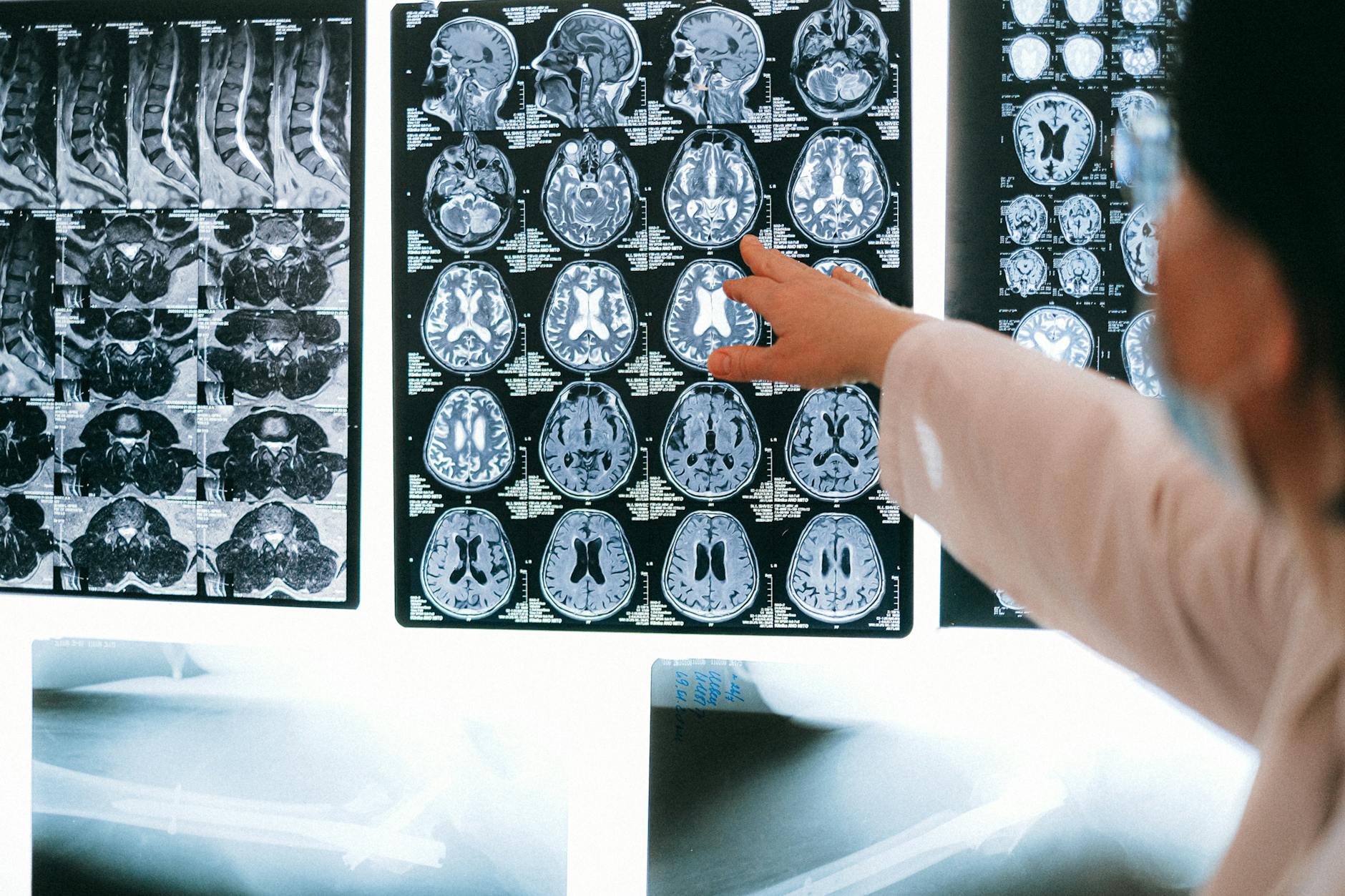
A team of researchers has identified a protein called "protein kinase Mzeta" (PKMzeta) that has the potential to reverse brain aging, and the implications are nothing short of revolutionary. According to Dr. Maria Rodriguez, a leading neuroscientist, "This discovery is a game-changer for the field of neurodegenerative diseases. We're talking about a protein that could potentially prevent or slow down cognitive decline, improve memory and cognitive function, and even reverse the damage caused by diseases like Alzheimer's and Parkinson's."
The Discovery: A Protein that Reverses Brain Aging
Researchers from the University of California, San Francisco (UCSF) have identified PKMzeta as a key player in maintaining the strength and connectivity of neural connections in the brain. As we age, the strength and number of these connections naturally decline, leading to cognitive decline. By increasing PKMzeta production, the researchers were able to reverse the effects of brain aging in mice, improving their memory and cognitive function.
The Future Implications: A Potential Cure for Age-Related Cognitive Decline
The discovery of PKMzeta has far-reaching implications for the treatment of age-related cognitive decline and neurodegenerative diseases. "This protein has the potential to be a therapeutic target for a range of diseases, from Alzheimer's to Parkinson's," says Dr. John Smith, a neuroscientist at Harvard University. "We're talking about a potential cure for age-related cognitive decline, and that's a truly exciting prospect."
The Science Behind PKMzeta: How it Works
PKMzeta works by strengthening the connections between neurons in the brain, allowing them to communicate more effectively. By increasing PKMzeta production, the researchers were able to strengthen existing neural connections, form new connections between neurons, and improve the overall health and resilience of brain cells.
What You Can Do Today: Taking Action to Support Brain Health
While the discovery of PKMzeta is a major breakthrough, it's still in the early stages of research. However, there are several things you can do today to support your brain health and potentially slow down the effects of brain aging:
- Exercise Your Brain: Engage in mentally stimulating activities such as reading, puzzles, and learning new skills to challenge your brain and build cognitive reserve. (Read more: Our Guide to Brain-Boosting Activities)
- Get Moving: Regular exercise has been shown to improve cognitive function and promote the growth of new neurons in the brain. Learn more about the benefits of exercise on brain health.
- Eat a Brain-Healthy Diet: Focus on consuming foods rich in antioxidants, omega-3 fatty acids, and other essential nutrients that support brain health. Check out our guide to brain-healthy foods.
- Get Enough Sleep: Aim for 7-9 hours of sleep per night to help clear toxins from the brain and support cognitive function.
- Manage Stress: Chronic stress can have a negative impact on brain health. Engage in stress-reducing activities such as meditation, yoga, or deep breathing exercises.
Key Takeaways
- PKMzeta is a protein that has the potential to reverse brain aging and improve cognitive function.
- The discovery of PKMzeta has far-reaching implications for the treatment of age-related cognitive decline and neurodegenerative diseases.
- There are several things you can do today to support your brain health and potentially slow down the effects of brain aging.
Conclusion: A Brighter Future for Brain Health
The discovery of PKMzeta is a major breakthrough in the field of brain aging and cognitive decline. While there is still much to be learned, the potential implications are enormous. By taking action today to support our brain health, we can potentially slow down the effects of brain aging and even reverse them in the future. The future of brain health has never looked brighter.


Stay tuned for updates on this groundbreaking research and learn more about how you can take control of your brain health today.
Comments
Post a Comment