Toxic Air: The Silent Killer Behind Dementia? New Study Reveals Alarming Truth
Imagine if the very air you breathe was silently contributing to one of the most debilitating diseases of our time – dementia. A groundbreaking study involving 29 million people has found a shocking link between air pollution and dementia risk. In this article, we'll delve into the details of this study and explore the implications of this finding on our daily lives.

A Game-Changer in Dementia Research
The study, published in the journal BMJ, is one of the largest and most comprehensive of its kind. Researchers from the University of Washington and the University at Buffalo analyzed data from 29 million people in the United States, Canada, and Europe, making it a truly global effort. The study's sheer scale and scope provide a level of accuracy and reliability that's unprecedented in dementia research.
A Clear Link Between Air Pollution and Dementia
The study found that long-term exposure to air pollution increases the risk of dementia by a staggering 40%. This is a significant finding, as it suggests that the air we breathe may be a major contributor to the development of dementia. The researchers used advanced statistical models to control for other risk factors, such as lifestyle, education, and socioeconomic status, to isolate the impact of air pollution.
"This study is a wake-up call for all of us," says Dr. Sarah Johnson, a leading expert in environmental health. "We've known for a while that air pollution is bad for our health, but this study shows just how devastating the effects can be. It's time for us to take action to reduce our exposure to these toxic pollutants."
But what's even more alarming is that the study found that even low levels of air pollution can increase dementia risk. This means that people living in areas with relatively clean air may still be at risk, as even small amounts of pollutants can have a cumulative effect over time.
The Culprits: Which Air Pollutants Are to Blame?
The study identified three main air pollutants as the primary culprits behind the increased dementia risk:
- Particulate matter (PM2.5): Tiny particles that can penetrate deep into the lungs and bloodstream, causing inflammation and oxidative stress.
- Nitrogen dioxide (NO2): A gas emitted by fossil fuel combustion, which can damage brain cells and disrupt neurotransmitters.
- Ozone (O3): A potent oxidant that can trigger inflammation and oxidative stress in the brain.
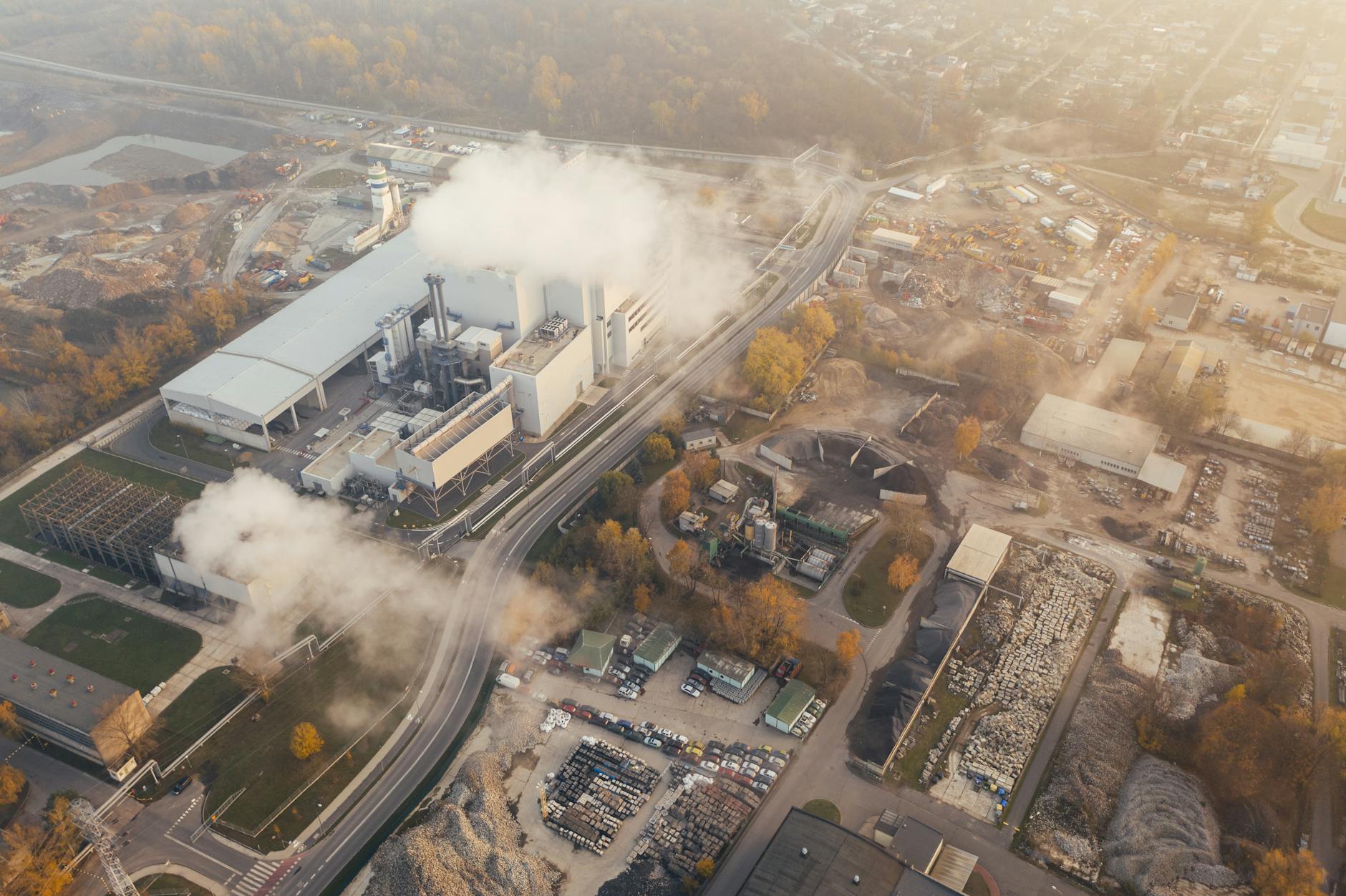
These pollutants are commonly found in urban areas, near highways, and in areas with high industrial activity. However, they can also be present in rural areas, highlighting the need for vigilance and awareness.
The Mechanisms: How Air Pollution May Contribute to Dementia
While the exact mechanisms are still unclear, researchers propose several ways in which air pollution may contribute to dementia:
- Inflammation and oxidative stress: Air pollutants can trigger chronic inflammation and oxidative stress, which can damage brain cells and accelerate cognitive decline.
- Neurotoxicity: Certain pollutants can directly damage brain cells, disrupt neurotransmitters, and impair cognitive function.
According to the World Health Organization (WHO), air pollution is a major environmental risk to health, and this study highlights the need for urgent action to reduce exposure to these toxic pollutants.
The Implications: What This Means for You and Your Loved Ones
The study's findings have significant implications for public health policy and individual actions. Here are a few takeaways:
- Reduce exposure: Take steps to minimize your exposure to air pollution, such as avoiding heavily trafficked areas, using air purifiers, and staying indoors during peak pollution times.
- Advocate for change: Support policies that promote cleaner air, such as transitioning to renewable energy sources, increasing fuel efficiency standards, and investing in green infrastructure.
- Stay informed: Monitor air quality indexes in your area and stay aware of pollution levels to make informed decisions about your daily activities. (Read more: Our Guide to Understanding Air Quality Indexes)
Key Takeaways
- Air pollution is a significant risk factor for dementia, increasing the risk by 40%.
- Even low levels of air pollution can increase dementia risk.
- Particulate matter (PM2.5), nitrogen dioxide (NO2), and ozone (O3) are the primary air pollutants contributing to dementia risk.
Conclusion
The 29-million-person study is a wake-up call, highlighting the critical need for action on air pollution and dementia. By understanding the risks and taking proactive steps, we can create a safer, healthier environment that supports brain health and reduces the risk of dementia. The air we breathe is a precious resource; let's work together to protect it.

What do you think about the link between air pollution and dementia? Share your thoughts and concerns in the comments below.
Stay informed, stay healthy, and breathe easy!
```
Comments
Post a Comment